
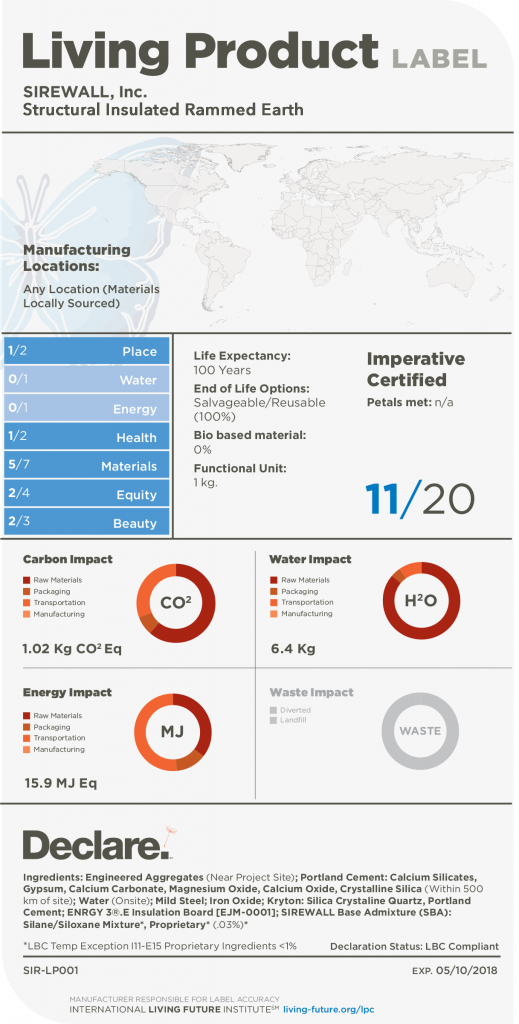
SIREWALL is a Certified Living Product, under the Living Product Challenge — Learn More
…because improving a V8 will never make it an EV

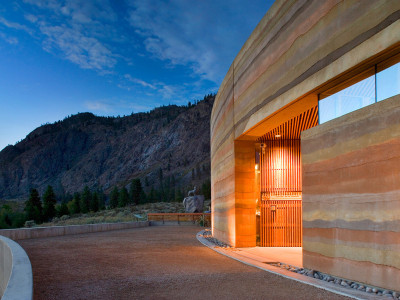
This distinctive, visceral connection to the earth is also the exterior and interior finish of a SIREWALL building – no sealants, siding or drywall required.
These high performance walls are constructed with a system backed by over 25 years of R&D, producing thermal mass and efficiency beyond any other wall system. This combination, along with the SIREWALL® System for quality control and soil blending, builds walls that exceed current standards for energy efficiency and compressive strength.
The SIREWALL System has been refined over the last twenty-eight years by SIREWALL experts, working seamlessly with unique designs and modern finishes that have timeless appeal.
SIREWALL has been the global technological leader of insulated rammed earth since its invention in 1992 and was the only practitioner for the first thirteen years. SIREWALL has four patents on this specific technology that leads the way in thermal and structural excellence in this emerging industry.
SIREWALL Earth Masons use SIREWALL’s world leading soil blending technology to achieve the optimal blend for the project’s strength and texture requirements. We can create almost any colour desired, and do have recommendations to achieve quality and economy on a project specific basis.
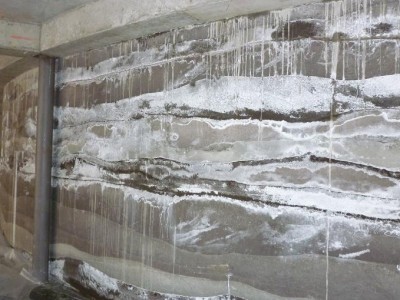
SIREWALL Base Admixture (SBA) is a proprietary additive we have developed. It is incorporated throughout the wall to limit efflorescence and for its hydrophobic properties. The hidden core of insulation at the center of the wall is most typically (but not necessarily) polyiso foam.
Forming, delivery, and mixing are determined specific to the project. Pneumatic and hand tampers are selected specific to the project.
While most people are drawn to SIREWALL by its beauty, they may not realize that this inherent beauty is actually the result of over 25 years of investment in R&D. To improve functionality, the strength of Structural Insulated Rammed Earth needs to be so much higher than its uninsulated cousin, so we continually refine our standards to ensure superior strength and performance.
Our standards are the highest, and we ensure SIREWALL Earth Masons, professionals who receive more training than any other in the industry, follow them meticulously.
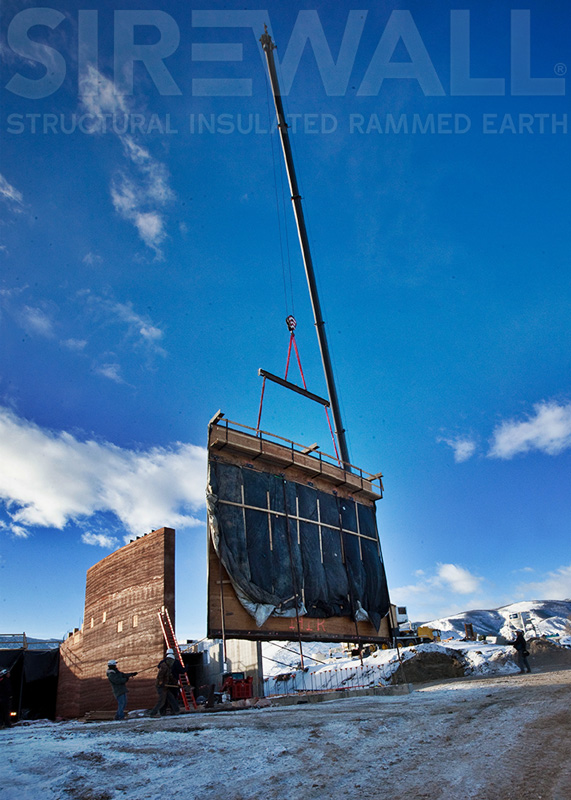
In 1992 we invented the technique of adding an insulative core to a regular rammed earth wall, we were granted 4 patents in 2005 and were the sole practitioners of this method for the first 13 years.
In 2008 we achieved our goal of being the first in the world to consistently create rammed earth with the high compression strengths required to be used as a structural building material.
SIREWALL remains the one and only rammed earth system capable of delivering these results.
Green Building enthusiasts inspired to break ground and build a rammed earth structure with the best of intentions may be missing key components to create healthy, energy efficient homes and buildings that will last for future generations.
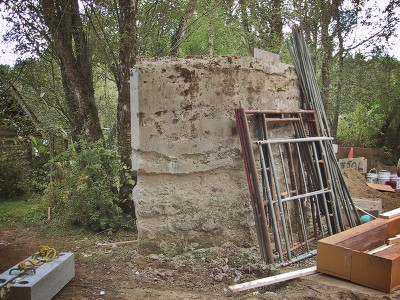
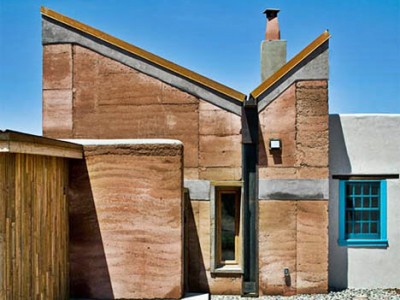
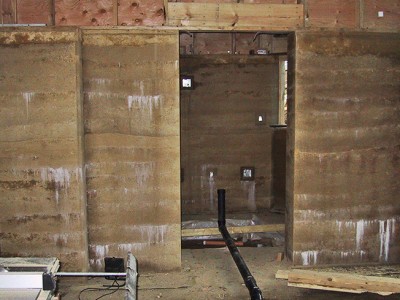
|
Rammed Earth |
Stabilized Rammed Earth |
Non-Standard Insulated Rammed Earth |
SIREWALL® Structural Insulated Rammed Earth |
|
|---|---|---|---|---|
| Compressive Strength |
1mPa – 3mPa 145psi – 435psi |
3mPa – 7mPa 435psi – 1,015psi |
3mPa – 20mPa 435psi – 2,900psi |
20mPa – 30mPa 2,900psi – 4,350psi |
| R-value (static) | R6 | R6 | R18 – R25 | R33 & UP |
| R-value (dynamic) | R9 – R13.5 | R9 – R13.5 | R38 – R56 | R50 – R74 |
| Erosion Resistance | A garden hose erodes this | Garden hose resistant | Widely variable | 2,500psi pressure washer resistant |
| Quality Control Protocol | Unlikely | Possible | Unlikely | Yes |
| Risk of efflorescence | Possible | Possible | Possible | Unlikely |
| Curing Protocol | No | Possible | Possible | Yes |
| Air barrier detailing | No | No | Possible | Yes |
| Pre-build soil optimization | No | Unlikely | Minimal | Yes |
| Vapour drive barrier | No | No | Unlikely | Yes |
| Engineer and Building Permit friendly | No | Yes | Unlikely | Yes |
| Large project capability | Possible | Possible | Unlikely | Yes |
| Standards & Specifications | No | Yes | Variable, Self -monitored | Yes |
| Possible patent infringement | No | Yes | Yes | No |
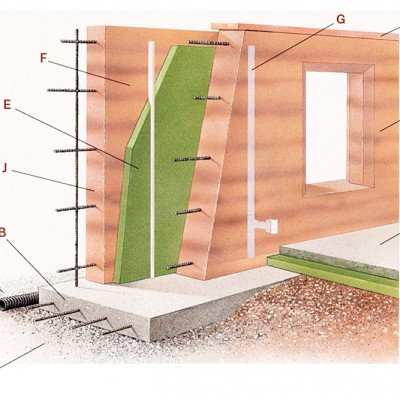
Depending on how a rammed earth wall is built, these factors can dramatically affect overall strength and durability: